
1. Introduction: The Uncomfortable Question
Most businesses today are producing more content than ever before.
More posts.
More videos.
More collaborations.
More effort.
And yet, when you zoom out, the results aren’t compounding.
Content spikes for a moment, then disappears.
Engagement fluctuates.
Reach feels unpredictable.
Performance feels inconsistent.
So the question isn’t “Why isn’t content marketing working anymore?”
Because it is.
The real question is far more uncomfortable:
Have you actually changed the way you research content for 2026?
Because while platforms, algorithms, and consumer behavior have evolved, most brands are still approaching content marketing with the same research habits they’ve used for years — guessing what might work, reacting to trends, or relying on intuition and experience alone.
Visibility today is fleeting by design. Social platforms reward momentum, not memory. Once a post drops out of the feed, it’s effectively gone unless it was built to live elsewhere — in search, in discovery, or inside AI-driven recommendation systems.
And that’s where the disconnect lies.
The problem isn’t creativity.
The problem isn’t posting frequency.
The problem isn’t even the platforms.
The problem is research.
Content marketing didn’t suddenly stop working.
The way most brands research content never evolved.
Until that changes, content will continue to feel like effort without leverage — activity without momentum.
What You’ll Learn in This Article
In this article, we’ll break down how content marketing research has changed — and what brands need to adjust for 2026.
You’ll see:
- Why trend-first content strategies are no longer enough, even when they generate short-term engagement
- How search data reveals real audience demand, not assumptions or creative guesses
- What age, gender, and location data tell you about how content should be framed and distributed
- How social platforms and AI tools are now acting as search engines — and what that means for captions, context, and discoverability
- Why content built around demand lasts longer, performs better, and supports both organic and paid campaigns
- What a modern content research framework actually looks like in practice
This isn’t about creating more content.
It’s about creating content that aligns with how people search, discover, and decide today.
2. How Most Brands Still Research Content (And Why It’s Failing)
If you look closely at how most businesses approach content marketing today, the problem isn’t a lack of effort — it’s the starting point.
For many brands, content research still begins after the decision to create content has already been made.
A post needs to go out.
A campaign needs ideas.
A video needs a hook.
So the “research” process becomes reactive:
- scanning what’s trending on Instagram or TikTok
- checking popular sounds, formats, or hashtags
- reviewing competitor posts that performed well
- briefing an agency or influencer with a general direction and tone
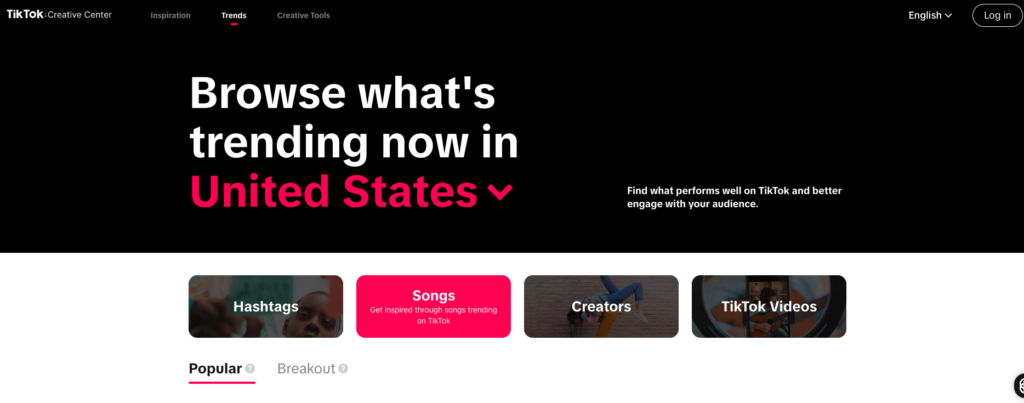
In some cases, brands will also look inward — turning frequently asked questions or customer messages into content ideas. That’s a step in the right direction, but it’s still limited. It relies on the loudest or most recent interactions, not the full picture of demand.
What’s missing is validation.
Most of this research is designed to answer “What’s performing right now?”
Not “What is our audience actively searching for?”
As a result, content strategies are built on visibility rather than intent. Posts are created to ride momentum instead of meeting demand. And while that can generate engagement in the short term, it rarely compounds into sustained discovery, trust, or conversion.
Even when brands describe themselves as “data-driven,” the data they’re using is often surface-level:
- post engagement metrics
- follower growth
- reach and impressions
- influencer audience size
These metrics explain what happened, but they don’t explain why it happened — or whether it can be repeated intentionally.
That’s why so much branded content feels interchangeable.
You can scroll through feeds and see the same formats, the same hooks, the same styles replicated across industries. Creativity hasn’t disappeared — but originality is being constrained by trend cycles and platform incentives.
The deeper issue is this:
If content research were truly guiding strategy, it would be obvious in the output.
You would see clearer audience targeting.
More consistent messaging.
Content that aligns with different stages of decision-making.
And posts that don’t just perform briefly — but remain discoverable long after they’re published.
Instead, most brands are still producing content based on assumption, intuition, and platform behavior — not audience demand.
And in a landscape where search, social search, and AI systems increasingly determine what gets seen, that approach is no longer just inefficient.
It’s risky.
4. What Actually Changed: Discovery, Search, and AI
The reason traditional content research is no longer effective isn’t because brands suddenly forgot how to create good content.
It’s because the way people discover content has fundamentally changed.
Discovery is no longer confined to a single platform, feed, or channel. It now happens across an interconnected ecosystem that includes search engines, social platforms acting as search engines, and AI tools that summarize and recommend information on behalf of users.
Today, content discovery happens across three primary layers:
Search engines like Google and Bing, where users are actively looking for answers, comparisons, and solutions.
Social platforms like TikTok, Instagram, and YouTube, which have quietly evolved into search engines themselves. People now search directly inside these apps for product reviews, tutorials, recommendations, and local information — not just entertainment.
AI tools like ChatGPT, Gemini, and Perplexity, which are increasingly used for deeper research, synthesis, and decision-making. These systems don’t just surface content — they interpret it, summarize it, and decide what to recommend.
This shift breaks the old content playbook.
In the past, visibility was largely a distribution problem. If you posted frequently, used the right hashtags, partnered with the right influencer, or boosted content with ads, you could reliably get seen.
That’s no longer enough.
Social content is now searchable — both inside platforms and outside of them. Instagram, TikTok, and YouTube videos appear in search results, and captions, on-screen text, and metadata now play a critical role in whether content is surfaced at all.
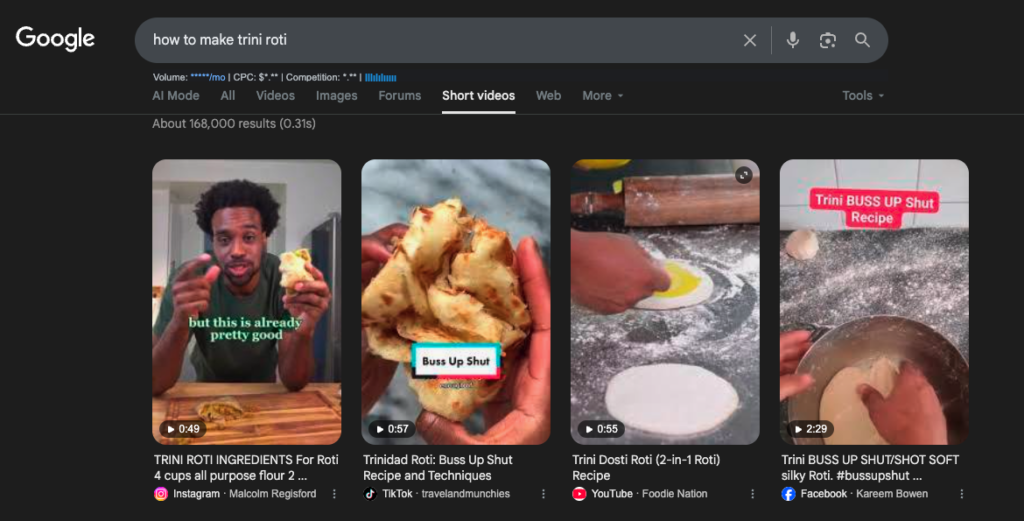
At the same time, AI systems are acting as intermediaries between brands and audiences. Instead of sending users directly to content, these systems summarize information, extract key points, and recommend sources they consider credible and relevant.
This introduces a new reality:
Visibility no longer equals distribution. It equals interpretation.
Your content isn’t just being shown — it’s being read, parsed, categorized, and evaluated by systems that decide whether it’s useful enough to surface again.
Content that lacks clarity, structure, or alignment with search intent doesn’t just underperform — it becomes invisible. Not because it’s bad, but because it doesn’t send the right signals to the systems responsible for discovery.
This is why content built purely around trends, formats, or viral mechanics struggles to last. It may perform briefly in a feed, but it isn’t designed to be understood, indexed, or recommended beyond that moment.
The implication for brands is clear:
Content research can no longer stop at what performs on a platform. It must account for how content is discovered, interpreted, and resurfaced across search, social search, and AI-driven systems.
And that requires a very different research mindset than the one most brands are still using.
5. Why Search Data Must Sit at the Core of Content Research
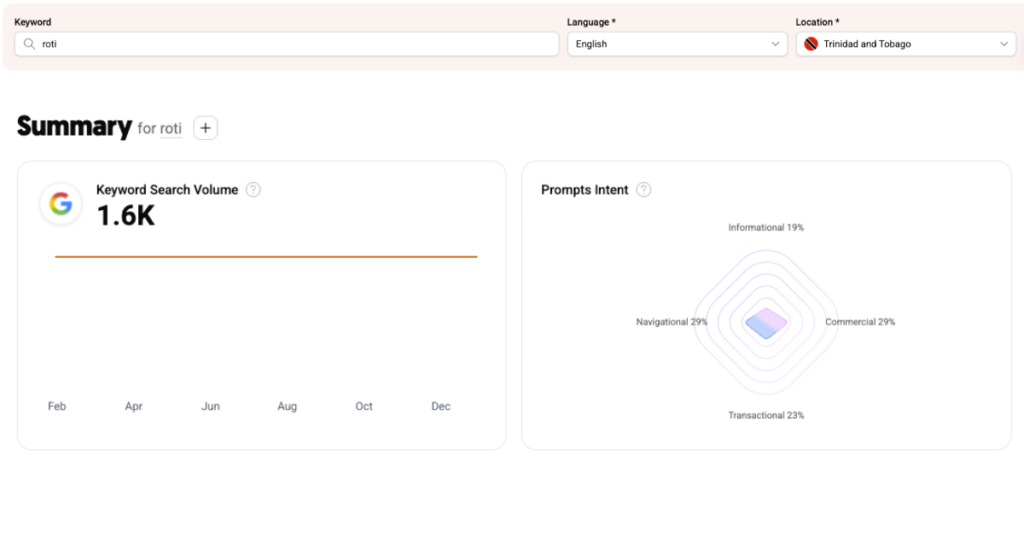
Once you accept that discovery now happens through search engines, social search, and AI systems, one thing becomes clear:
Content research can no longer start with trends.
It has to start with demand.
Search data is the clearest signal of demand we have.
Unlike trends, which are reactive and short-lived, search behavior reflects intent. It shows what people are actively trying to understand, solve, compare, or decide — often long before they ever interact with a brand on social media.
When someone types a question into Google, TikTok, or even an AI tool, they’re not browsing. They’re expressing need.
That’s why search data should sit at the center of modern content research.
Search data reveals:
- the exact language people use to describe their problems
- the questions they ask at different stages of decision-making
- the urgency or seriousness behind a topic
- whether interest is informational, comparative, or transactional
This shifts content research from guessing what might perform to identifying what already matters.
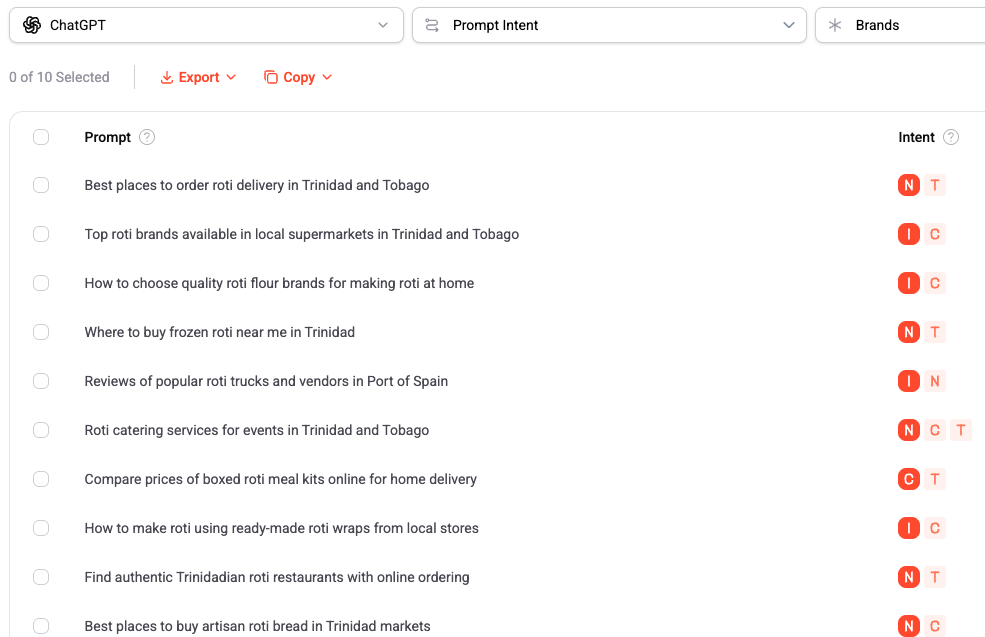
Instead of asking:
“What should we post this week?”
Brands should be asking:
“What questions is our audience already asking — and where are they asking them?”
This is especially important because search today isn’t limited to Google. The same intent-driven behavior now shows up across:
- Google and Bing
- TikTok and Instagram search bars
- YouTube queries
- AI prompts asking for explanations, comparisons, and recommendations
Search data becomes the connective tissue between platforms.
When content is built around search intent, it naturally performs better across ecosystems. A video answering a high-intent question doesn’t just work on TikTok — it can surface in Instagram search, appear in Google’s short video results, be summarized by AI tools, and support paid campaigns later.
It also gives content longevity.
Trend-based content lives and dies in feeds.
Search-aligned content compounds.
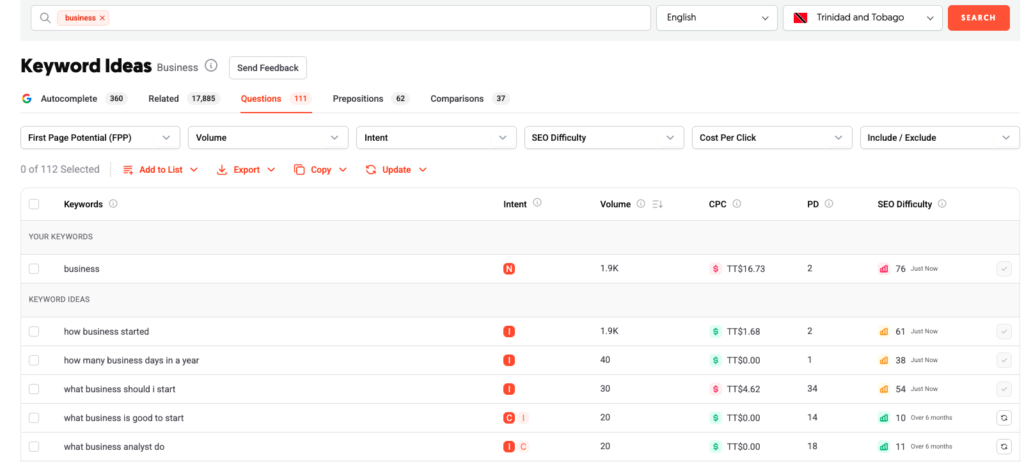
A piece of content built to answer a real question can remain relevant for months — sometimes years — because it’s tied to an ongoing need, not a momentary spike in attention.
This is where many brands miss the opportunity.
They treat search data as an SEO exercise — something reserved for blogs or websites — instead of recognizing it as a content intelligence layer that should inform everything:
- video topics
- social captions
- creative angles
- ad messaging
- campaign themes
- even offline activations
Search data doesn’t limit creativity. It focuses it.
It tells you where demand already exists, so creative effort is spent on resonance rather than experimentation. And in a crowded content environment, relevance is what determines whether content is surfaced, shared, or ignored.
If content research for 2026 isn’t anchored in search behavior, it isn’t future-ready. It’s still operating on assumptions — just with better production quality.
6. Going Deeper: Age, Gender, and Intent Signals
Search data tells you what people are looking for.
Demographic data tells you who is behind those searches.
And once you know who is driving demand, content decisions stop being generic.
One of the biggest blind spots in content marketing today is the assumption that an audience searches, consumes, and decides in the same way across age groups and demographics. In reality, the same topic can mean very different things depending on who is searching for it.
Age, gender, and intent signals add critical context to search data.
For example, two people may be searching for the same product or service, but:
- one may be in early exploration mode
- another may be close to making a decision
- one may want education
- another may want reassurance or proof
Without demographic insight, brands often create content that’s technically relevant — but emotionally mismatched.
This is where tools that surface age and gender data become invaluable.
They allow brands to see patterns such as:
- which age groups are driving the most interest around a topic
- whether demand skews younger or older
- how urgency, phrasing, or depth of inquiry differs by demographic
- which platforms are most aligned with each segment
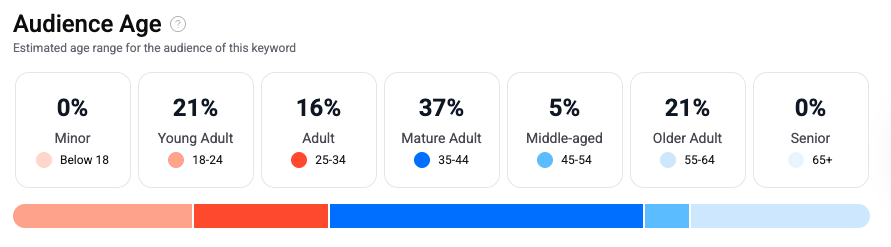
These signals help answer questions content teams rarely ask upfront:
- Should this content educate or persuade?
- Should it be explanatory or comparative?
- Should it live primarily as video, written content, or both?
- Is this topic better suited to short-form discovery or long-form depth?
When brands ignore this layer, content often becomes generic — trying to speak to everyone and resonating deeply with no one.
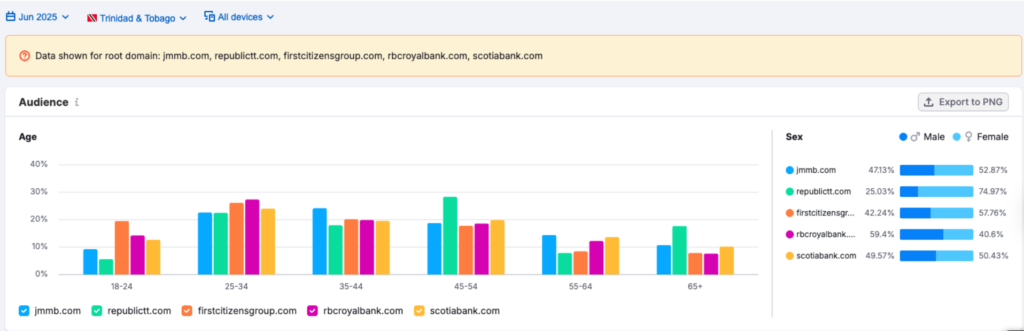
Demographic intent data also improves platform alignment.
Younger audiences may discover content through social search and short-form video, while older or more senior decision-makers may rely more heavily on traditional search or AI tools to validate choices. Knowing this allows brands to shape not just what content is created, but where it should be emphasized and how it should be framed.
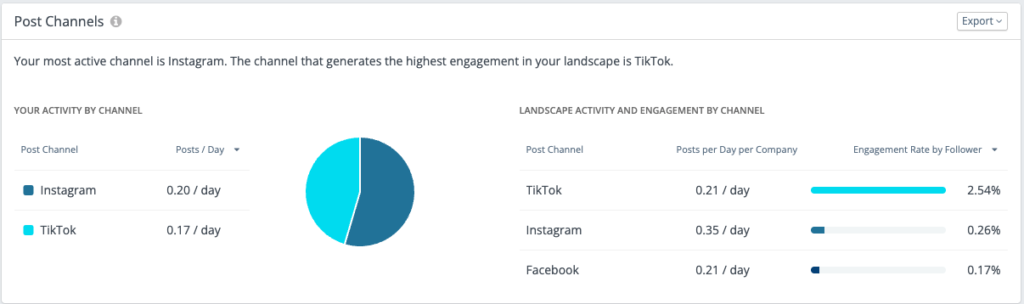
Why this matters:
It visually demonstrates that demand is not abstract — it’s tied to real people with identifiable behaviors and preferences.
This layer of research also strengthens paid media performance.
When organic content is built with age and gender intent in mind, it becomes far easier to:
- boost the right posts
- refine audience targeting
- align ad creative with organic messaging
- reduce wasted spend on mismatched audiences
In other words, demographic data turns content research into a bridge between organic strategy and paid execution.
For 2026, content research can’t stop at keywords or questions alone. It must account for who is behind the search and how their expectations shape the way content should be presented.
Without this layer, even demand-driven content risks missing the mark.
7. Location Data: Where Demand Actually Lives
Knowing what people are searching for — and who is doing the searching — is only part of the picture.
The next critical layer is where that demand is concentrated.
Search interest is not evenly distributed. Even for national or global brands, demand often clusters in specific cities, regions, or markets. Yet most content strategies are still built as if audience interest is uniform across locations.
Location data changes that assumption.
By analyzing geographic search patterns, brands can identify:
- where interest in a topic is strongest
- which regions are underserved with relevant content
- where awareness exists but conversion is weak
- where opportunity is growing before it becomes obvious
This transforms content research from a creative exercise into a strategic planning tool.
Instead of creating one generic piece of content for “everyone,” brands can shape messaging around real geographic demand. A topic that performs well nationally may have very different relevance or urgency in different regions — and content should reflect that.
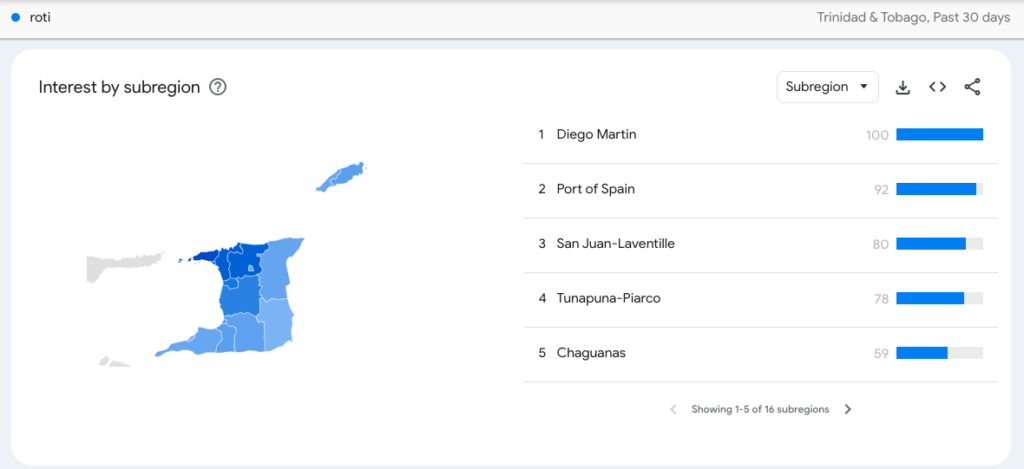
Why this matters:
It visually proves that demand has a physical footprint — and that content strategy can be informed by real-world behavior.
Location data also creates a powerful bridge between online and offline marketing.
When brands know where demand is highest, they can:
- prioritize regional ad spend
- tailor messaging for local relevance
- plan offline activations or events with data-backed confidence
- support retail, service, or experiential campaigns more effectively
For service-based businesses especially, location-based demand mapping helps align content with operational reality. There’s little value in pushing awareness in regions where demand is low or intent is weak, while high-interest areas remain underserved.
Location insights also play an increasingly important role in AI-driven discovery. As AI tools and search engines provide localized recommendations, brands must send clear geographic signals to be included in those results. Content that reflects regional relevance is more likely to surface when people ask location-based questions — both in search engines and AI assistants.
In 2026, content research can no longer stop at national averages. Brands that rely solely on broad data miss the nuances that drive performance at the regional level.
Location data turns content strategy into opportunity mapping — revealing where attention, effort, and budget should actually be focused.
8. Prompt Data: The New Research Layer Most Brands Aren’t Using
Search data shows what people are looking for.
Demographic and location data show who and where that demand comes from.
But there is now another layer emerging — one that reveals how people actually think through their problems.
Prompt data.
As more people turn to AI tools like ChatGPT, Gemini, and Perplexity to research products, services, and decisions, they’re no longer typing short keywords. They’re having conversations. They’re explaining context, constraints, fears, and goals — all in a single prompt.
This changes what “intent” looks like.
A keyword might tell you what someone wants.
A prompt tells you why they want it.
For example, a search query might be:
“best project management software”
But a prompt might be:
“I run a small team, we’re missing deadlines, and I need a simple tool that works on mobile without increasing costs — what should I use?”
That one prompt reveals:
- company size
- pain point
- urgency
- constraints
- decision criteria
This is insight traditional keyword research can’t fully capture.
Forward-thinking brands are beginning to treat prompt data as a new form of audience research — not as a writing shortcut, but as a window into real decision-making behavior. By analyzing common prompt patterns around a topic, brands can uncover:
- deeper pain points
- emotional drivers
- objections that need to be addressed
- missing explanations in existing content
- language that resonates because it mirrors how people actually think
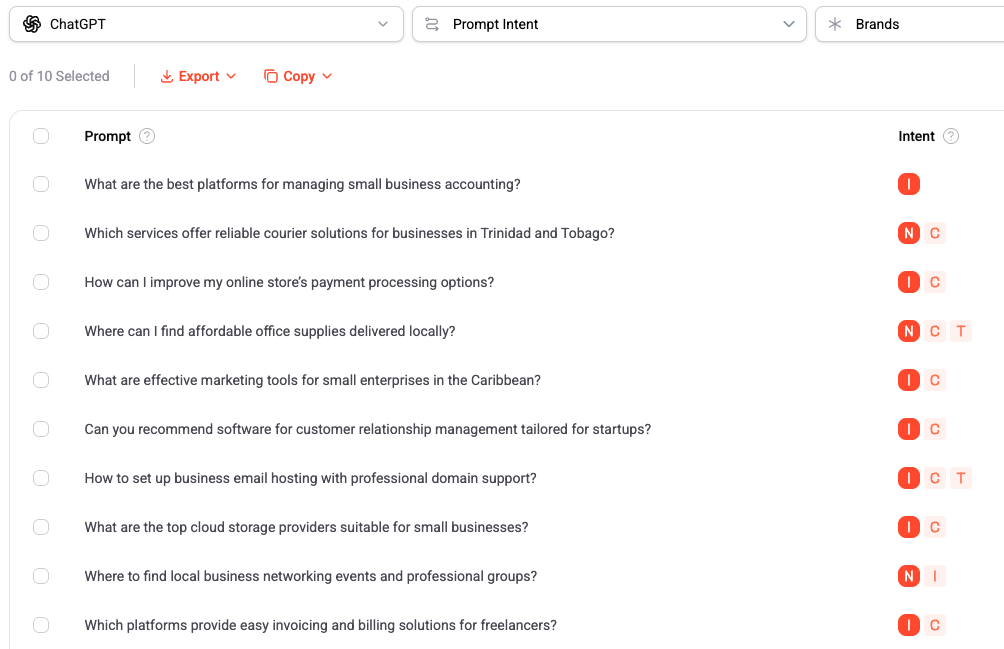
Why this matters:
It visually contrasts shallow keyword intent with rich, human context.
Prompt data also helps brands identify content gaps.
When people turn to AI with detailed questions, it often means existing content hasn’t answered those questions clearly or completely. Brands that study these prompts can create content designed to fill those gaps — content that is more likely to be referenced, summarized, or recommended by AI systems later.
This is especially important as AI tools increasingly act as gatekeepers. They don’t just retrieve content — they evaluate it. Content that demonstrates understanding, nuance, and real-world application is more likely to be trusted.
While prompt-driven research is still emerging, it’s already being adopted by high-performing teams as a complement to traditional search research. It doesn’t replace keywords — it deepens them.
For 2026, brands that ignore prompt data risk optimizing for what people type while missing what people mean.
And in a discovery environment increasingly shaped by AI interpretation, meaning is everything.
9. Why Content Without Search Dies Fast
Most brands don’t realize their content has a lifespan problem.
Not because it isn’t good.
Not because it isn’t creative.
But because it was never built to be rediscovered.
Social platforms are designed for immediacy. Content is rewarded for momentum in the first few hours or days, then quickly deprioritized as newer posts take its place. Once a piece of content falls out of the feed, it rarely resurfaces unless it was designed to live beyond that initial moment.
This is where search-aligned content behaves differently.
Content built around real search demand doesn’t rely solely on timing or platform favor. It remains relevant because it continues to answer a question people are actively asking. That relevance allows it to surface repeatedly — in search results, in social search, and increasingly in AI-generated summaries.
Trend-based content peaks.
Search-based content compounds.
When content is optimized with search in mind:
- captions clarify context instead of teasing it
- headlines answer real questions
- on-screen text reinforces meaning
- structure helps systems interpret relevance
This makes content easier to index, easier to retrieve, and easier to recommend.
By contrast, content created purely for engagement often lacks clarity once removed from its original context. A clever hook may work in a feed, but without explicit relevance signals, it offers little value to search engines or AI systems trying to determine what the content is actually about.
That’s why many brands see a constant need to “keep posting” just to maintain visibility. Their content has no afterlife.
Search-informed content gives brands leverage. A single piece of well-researched content can:
- drive discovery weeks or months later
- support paid campaigns as high-intent creative
- be referenced by AI tools
- reinforce authority in a topic area
This doesn’t mean every post needs to be SEO-heavy or long-form. It means content should be created with interpretability in mind — designed to be understood by both people and systems.
In 2026, the brands that win won’t be the ones creating the most content. They’ll be the ones creating content that continues working after the initial spike fades.
And that only happens when search and intent are part of the research process from the start.
10. What Brands Should Be Doing for 2026
If content marketing research is going to keep pace with how discovery and decision-making now work, brands need to rethink their starting point.
Not the platforms.
Not the formats.
The research.
A modern content research framework for 2026 starts with demand, then layers in context, interpretation, and execution.
At a high level, brands should be doing the following:
Start with search and prompt data.
Before creating anything, understand what your audience is actively searching for — across traditional search engines, social search, and AI tools. Identify the questions, problems, and comparisons that already exist.
Map content to intent, not just topics.
Not every piece of content serves the same purpose. Some content educates. Some reassures. Some compares. Some converts. Research should reveal where each question sits in the decision journey so content can be designed accordingly.
Layer in demographic and location insights.
Use age, gender, and geographic data to prioritize audiences and regions. This helps determine tone, format, platform focus, and messaging — and prevents content from trying to speak to everyone at once.
Design content for interpretation, not just engagement.
Captions, headlines, on-screen text, and structure matter. Content should clearly communicate what it’s about so search engines, social platforms, and AI systems can understand and resurface it accurately.
Build content to live across ecosystems.
A single idea should be able to work as:
- a short-form video
- a searchable post
- a longer explanation
- an AI-referenceable answer
- a paid campaign asset
- or even an offline activation
Research enables this flexibility.
Use performance data to refine, not guess.
Metrics should inform iteration, not replace research. Performance data helps validate assumptions and adjust execution — but it should never be the only input guiding strategy.
This approach doesn’t require creating more content.
It requires creating better-aligned content.
When research is done properly, content decisions become clearer, production becomes more focused, and distribution becomes more efficient. Teams spend less time chasing trends and more time building relevance.
For 2026, content marketing research isn’t a supporting function — it’s the foundation.
Closing: The Real Question Isn’t About Content
At this point, it should be clear that the real issue facing most brands in 2026 isn’t a lack of ideas, effort, or creativity.
It’s a lack of direction.
Most businesses aren’t struggling because they don’t post enough. They’re struggling because they’re creating content without a clear understanding of what their audience is actively searching for, where that demand exists, and how those questions connect to real decisions.
When content research is rooted in trends, intuition, or platform behavior alone, content becomes reactive. It performs briefly, then disappears. And the cycle repeats.
But when content research starts with search demand, everything changes.
You stop guessing what to post.
You stop chasing formats that don’t fit your audience.
You stop creating content that looks good but goes nowhere.
Instead, content becomes intentional. It’s built around real questions, real pain points, and real moments of discovery — the moments where people are already looking for answers.
That’s exactly what the Visibility Starter Pack is designed to help with.
It takes the principles outlined in this article and turns them into something practical and actionable: a clear, demand-driven content roadmap built specifically for your business and your market.
Rather than scrolling for inspiration or copying what’s trending, the Visibility Starter Pack uses real search data to show you:
- what your ideal customers are actually searching for right now
- the questions they’re asking and problems they’re trying to solve
- and how to turn that insight into a focused, 30-day content plan you can execute with confidence
It’s the simplest way to move from random posting to relevant strategy — whether you’re a solo entrepreneur, a small business, or a team trying to bring more clarity to your content efforts.
If you’re ready to stop guessing and start creating content that aligns with real demand, you can explore the Visibility Starter Pack here:
👉 https://keronrose.com/product/the-visibility-starter-pack/
Because content marketing still works.
But only when it’s built on research that reflects how people actually search, discover, and decide in 2026.