1. Why This Shift Needed to Happen
The last few years have been fun. Genuinely. A lot of learning, a lot of experimenting, a lot of building in public. Digipreneur has given me a front-row seat to how the digital world has evolved, and I’ve been fortunate to explore it while helping others navigate it at the same time.
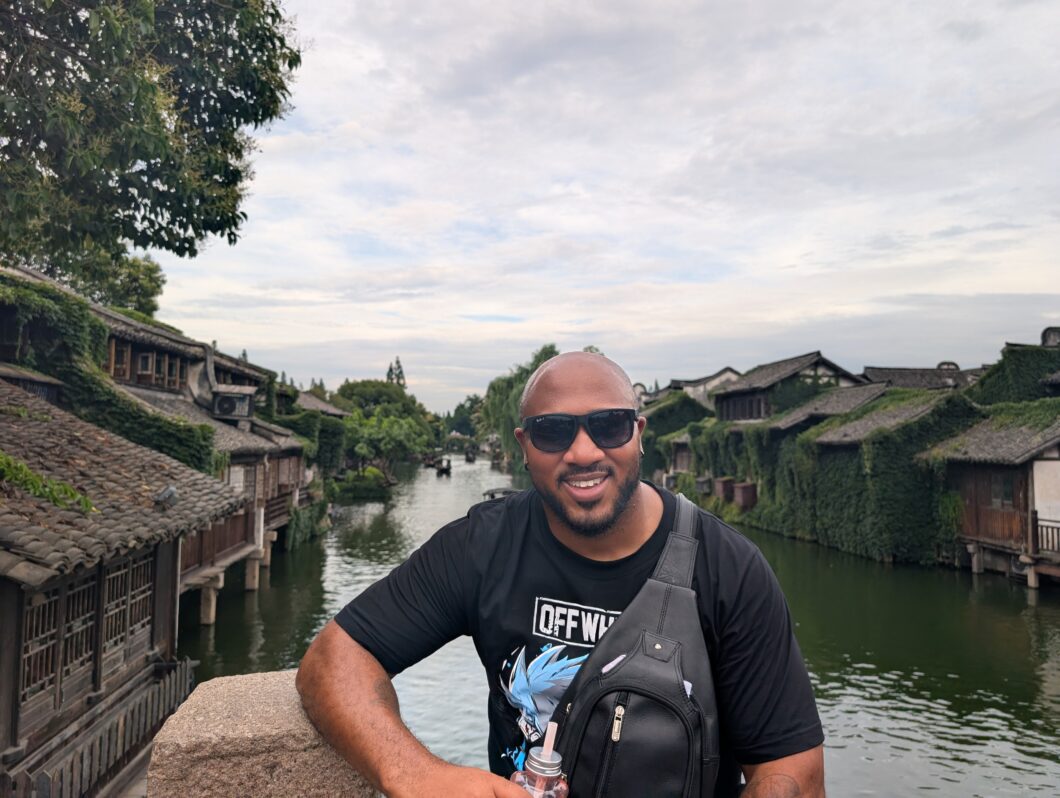
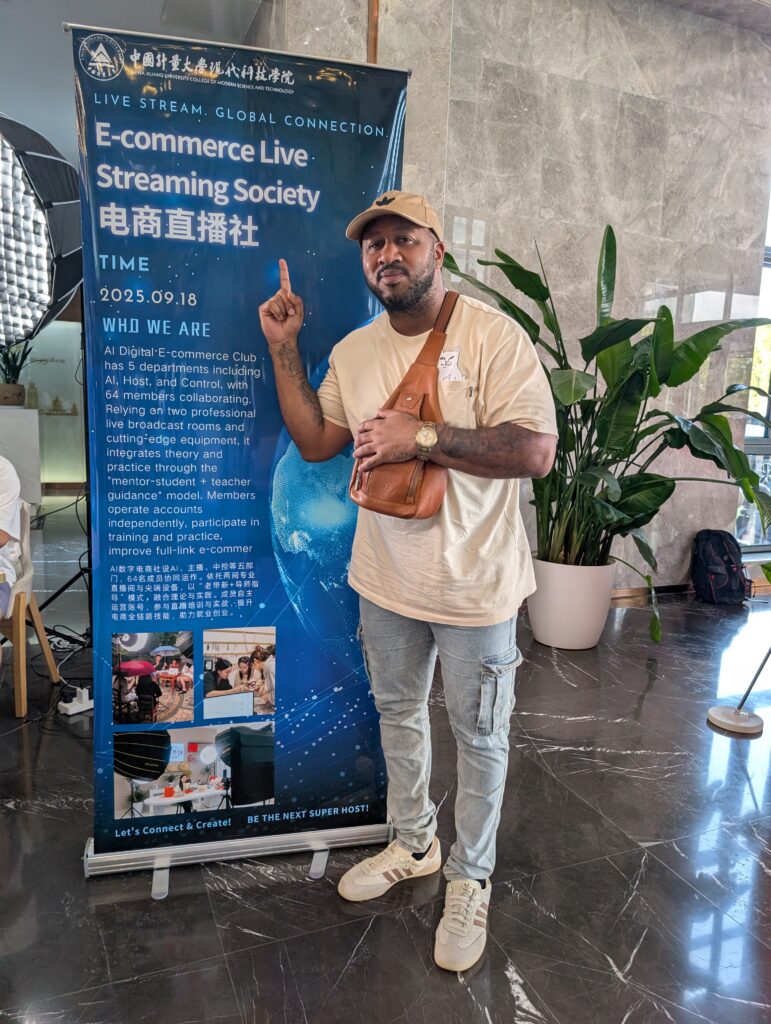
Over the past year, though, a lot has changed for me personally. I’ve officially completed one full year living in Thailand, and that experience alone has reshaped how I see opportunity, work, and what’s actually possible in today’s digital world. Spending extended time across Asia — Thailand, China, Vietnam, Indonesia, Singapore — has given me a completely new lens. Not from visiting as a tourist, but from being embedded long enough to observe how people live, work, build, and adopt technology as part of everyday life.
Those experiences have sharpened my perspective in ways I didn’t fully expect. Being close to regions that are moving fast, experimenting openly, and building digital infrastructure at scale gives you a different playbook to learn from. You start to see what’s working, what’s coming next, and where the real opportunities are forming — often long before those conversations reach the Caribbean.
At the same time, the digital landscape itself has shifted dramatically. In just the last twelve months, we’ve seen changes that would have taken a decade in previous eras. The tools, the platforms, and the pathways to earning and building globally have expanded in ways that remove many of the traditional barriers we once accepted as fixed.
All of that — the travel, the lived experience, the exposure to new systems, and the rapid changes in the digital world — has given me new clarity. It’s made me step back and reassess not just what Digipreneur has been, but what it needs to become next.
This is where that reflection begins.
2. The Original Mission: How Digipreneur Was Built
Digipreneur didn’t start as a brand or a master plan. It grew out of building Droid Island and figuring things out in real time. From 2016 onward, Droid Island became my testing ground — a place where I learned by doing, breaking things, fixing them, and learning again. Every skill I talk about today was first learned out of necessity, not strategy.
That process shaped how I approached everything. I wasn’t interested in theory or abstract advice. I wanted to understand how digital tools actually worked when real money was on the line. Websites, e-commerce, search, content, monetization — none of it was learned in isolation. It was all connected to a business that had to survive and grow.
As those systems started to work, people began paying attention. Not because I was explaining concepts, but because they could see the outcomes. They saw a Caribbean-based business showing up in search results, selling online, and building visibility beyond its physical location. Naturally, the questions followed: How did you do that? What tools are you using? How does this work from here?
That’s how Digipreneur emerged. Almost accidentally, I became a bridge — not by design, but by proximity. I was learning from global experts, connecting with people outside the region, and applying those insights locally. There weren’t many spaces in the Caribbean where those conversations were happening, so Digipreneur became a place to translate what I was learning into something practical and relevant.
What mattered most during that phase was proof. Results built trust. Visibility came from execution. Everything I shared was anchored in what I was actively doing, testing, or refining at the time. There was no separation between the work and the content — the work was the content.
That foundation is important because it explains how I’ve always operated. I didn’t arrive here by talking. I arrived here by building — in public, over time, with all the lessons, mistakes, and progress visible along the way.
And that same approach still guides where Digipreneur is headed next.
3. When Marketing Became the Wrong Conversation
Over time, I started to notice a growing gap between what I was building in my own business and what many businesses in the region were actually willing to do. The results people were drawn to — strong digital infrastructure, global visibility, monetization beyond borders — weren’t coming from shortcuts or surface-level tactics. They were the byproduct of systems.
What I do in my own business requires real investment. Not just money, but intention. It means building proper digital infrastructure, putting the right technology in place, hiring and restructuring teams, and upskilling people so they can actually operate in a modern digital environment. Those pieces work together. You can’t isolate one and expect the rest to magically fall into place.
And that’s where the friction showed up.
I was still doing the work — constantly. Testing, refining, building, improving my own platforms. But when businesses tried to mirror the outcomes without committing to the underlying work, they would eventually pull back. Not because the approach didn’t make sense, but because the cost of admission felt too high. Rebuilding teams takes effort. Upskilling staff takes time. Investing in systems requires long-term thinking. For one reason or another, those steps kept getting postponed.
So instead, many businesses reverted to the bare minimum. Social media became the default. Influencers became the strategy. Visibility became the goal — even when there was no infrastructure underneath to support growth, monetization, or sustainability.
That’s been my observation. There’s a fundamental difference between using digital platforms for attention and using them to build a business. The former can be done casually. The latter requires commitment. What became clear is that many organizations wanted the results of modern digital systems without making the internal changes required to support them.
Digital marketing, at a global level, has never been just about content. It’s about systems, data, processes, and people. It requires leadership to make decisions that don’t pay off immediately, but compound over time. Across much of the region, that shift hasn’t happened — even before the acceleration we’ve seen since 2025.
At some point, continuing to frame everything as a marketing problem stopped being accurate. The real gap wasn’t tactics; it was readiness. And when readiness isn’t there, no amount of strategy can carry the weight on its own.
That realization marked an important turning point — not in what I was building, but in how I needed to frame the conversation going forward.
4. The Ceiling: Environment, Safety, and Cognitive Load
Over time, it became impossible to ignore that many of the limitations people were facing had very little to do with talent or ambition. They were environmental. There’s only so much creative thinking, long-term planning, or risk-taking you can do when your nervous system is constantly on edge.
In the Caribbean, high levels of crime and violence have become something we quietly normalize. You hear phrases like “there’s crime everywhere” thrown around as a coping mechanism, as if all environments are equal. They’re not. When crime reaches the levels we’re experiencing — among the highest in the world per capita — it creates a ceiling most people don’t consciously recognize. It shapes how we move, how we think, and how much mental space we actually have to build.
Living in that kind of environment shrinks your world in subtle ways. You plan your routes. You limit your hours. You’re always aware of who’s around you. That constant hypervigilance takes a toll. It drains cognitive energy that could otherwise be used for learning, creating, or imagining different possibilities. Over time, people adjust their lives to fit into smaller and smaller boxes — not because they lack ambition, but because the environment demands it.
What makes this even more complex is how fiercely we defend it. When something is all you’ve ever known, it becomes normal. It becomes familiar. And familiarity is comforting, even when it’s limiting. Like the saying goes, a bird in a cage eventually believes flying is a crime.
This isn’t a reflection on individual resilience. Caribbean people are incredibly talented, resourceful, and creative. We see it every time someone breaks through despite the odds. But individual success doesn’t mean the system is working. Collectively, our environments — physical, economic, and institutional — are not designed to support sustained growth at scale.
For me, spending extended time outside of that environment made the contrast impossible to ignore. In places where personal safety isn’t a daily concern, people think differently. They move differently. They have space to breathe. That space matters more than we often realize, because it directly impacts the quality of work we’re capable of producing.
Recognizing that ceiling wasn’t about criticism or comparison. It was about honesty. You can’t design a bigger future while pretending the constraints around you don’t exist. At some point, you either acknowledge the ceiling — or you accept it.
5. Asia as a Mirror: What Distance Revealed
Spending time in Asia didn’t give me answers as much as it gave me contrast. And contrast is powerful, because it forces you to see things you’ve been conditioned to overlook.
Living in places like Thailand, and spending extended time across China, Vietnam, Indonesia, and Singapore, is very different from visiting on vacation. When you’re embedded long enough to establish routines, build community, and observe daily life, patterns start to emerge. You notice how people move through their cities, how technology fits seamlessly into everyday tasks, and how quickly ideas turn into execution.
One of the most immediate differences is safety. Not in an abstract sense, but in how it feels in your body. When you’re not constantly scanning your surroundings, when your guard can come down, something shifts. You breathe differently. You think more clearly. You’re not expending energy on survival-level awareness. That reclaimed mental space is significant, because it changes how you approach everything else — work, health, creativity, and long-term planning.
That sense of safety creates conditions for flow. I could walk to the gym at any time. Spend time in parks. Sit, think, observe. Even something as simple as movement became frictionless, and over time that showed up physically as well. My health improved. My energy improved. My focus sharpened. Those aren’t separate from work — they’re foundational to it.
Beyond safety, there’s the pace of adoption. In many parts of Asia, technology isn’t treated as an add-on or a future consideration. It’s infrastructure. Payments, logistics, platforms, and services are designed to reduce friction and move quickly. You see experimentation happening in real time. You see systems being built, tested, and refined without endless debate about whether they’re “necessary.”
That proximity matters. Being close to environments that are actively building the future forces you to update your internal benchmarks. Things that once felt ambitious start to feel standard. Conversations shift from “should we?” to “how fast can we?” And when your reference point changes, so does your thinking.
None of this is about comparison or hierarchy. It’s about exposure. Distance creates clarity. Stepping outside familiar environments allows you to see both what’s possible and what’s holding you back. For me, Asia became a mirror — reflecting not just what other regions are doing well, but how much untapped potential exists when environment, safety, and infrastructure align.
That perspective has been impossible to unsee. And once your lens shifts, your direction naturally follows.
6. Digipreneur’s New North Star
With that shift in perspective came clarity around where Digipreneur actually belongs going forward. Not as a marketing platform in the traditional sense, but as something broader — a lens into how digital opportunity is reshaping work, lifestyle, and possibility on a global scale.
At its core, Digipreneur is now anchored around three ideas.
The first is global digital opportunity. The world has flattened in ways most people still haven’t fully internalized. Where you live no longer has to dictate how you earn, who you work with, or what markets you can access. New tools, platforms, and digital infrastructure have created pathways that simply didn’t exist a few years ago — especially for people coming from small markets. Digipreneur’s role here is to observe, explore, and document where those opportunities are forming and how they’re being used in real life.
The second is being a gateway for the Caribbean. Not a blueprint to copy blindly, and not a promise that everything elsewhere will magically work back home. Context matters. Culture matters. Constraints matter. But exposure matters too. One of the biggest gaps in the region isn’t talent — it’s proximity. Proximity to new ideas, new systems, and new ways of thinking about work and life. Digipreneur exists to translate what’s happening globally into something Caribbean people can understand, evaluate, and decide whether or not to act on when they’re ready.
The third is digital technology as a lifestyle enabler. Technology isn’t just about productivity tools or marketing platforms anymore. It’s about how you design your life. Where you live. How safe you feel. How mobile you are. How you balance income, health, curiosity, and freedom. When digital infrastructure works, it quietly supports all of those things. When it doesn’t, life becomes smaller. Digipreneur is increasingly about showing how technology fits into everyday living, not just business outcomes.
Taken together, this north star shifts the conversation away from tactics and toward context. Away from chasing trends and toward understanding systems. Away from trying to convince people to change and toward documenting what’s possible when environment, skills, and infrastructure align.
This direction doesn’t replace what Digipreneur has been. It builds on it. The foundation is still execution, still curiosity, still learning by doing. The difference is the lens — wider, more global, and better suited for the world we’re heading into next.
7. The Digipreneur Ecosystem: One Mission, Many Entry Points
As this new chapter takes shape, it’s important to explain how all the pieces fit together — because Digipreneur is no longer a single platform or format. It’s an ecosystem, designed around how people actually learn, explore, and engage today.
Coming soon, there will be a dedicated Digipreneur.com website. That will become the foundational home for the broader Digipreneur mission — global digital opportunity, technology as a lifestyle, mobility, and how the digital world is reshaping work and possibility. It’s the space that allows me to explore freely, document what I’m seeing globally, and house the bigger conversations without being boxed into solving a single problem inside a shrinking framework, with the potential of bringing in other voices to share their experiences and expertise in other capacities.
Video will play a much bigger role in that mission going forward. My YouTube channel, which currently lives under my personal name, will be rebranded under Digipreneur in 2026. This is intentional. People learn differently, and video allows for a level of context, storytelling, and immersion that no other format can replicate.
Through YouTube, you’ll be able to travel with me visually — living as a digital nomad in Asia, exploring technology, cities, culture, infrastructure, and the everyday realities of this lifestyle. It becomes a long-form outlet where I can vlog, observe, and connect dots in real time. Podcast episodes will live there as well, along with the weekly Digipreneur CNC3 segments, creating one central video hub for the brand.
That’s why I’m investing more heavily into video gear heading into 2026 — the DJI Action 6, the DJI Neo 2 drone, and putting my DJI Pocket 3 fully to work. This isn’t about production for production’s sake. It’s about using video to show, not just tell — to bring people into environments, experiences, and conversations they may never otherwise have access to.
Digipreneur FM will return alongside this direction, continuing to serve as the space for deeper audio conversations. Podcasts allow for nuance, reflection, and long-form thinking, and they remain one of the best formats for unpacking complex ideas in my own unique way. I also love that so many of you continue to reach out and remind me, whilst they are grateful for all of the other content I produce…Where are the AUDIO PODCASTS lol because that’s what they drive to, work out with and get them through those long workdays. Don’t worry, I hear you, and I’m coming back!
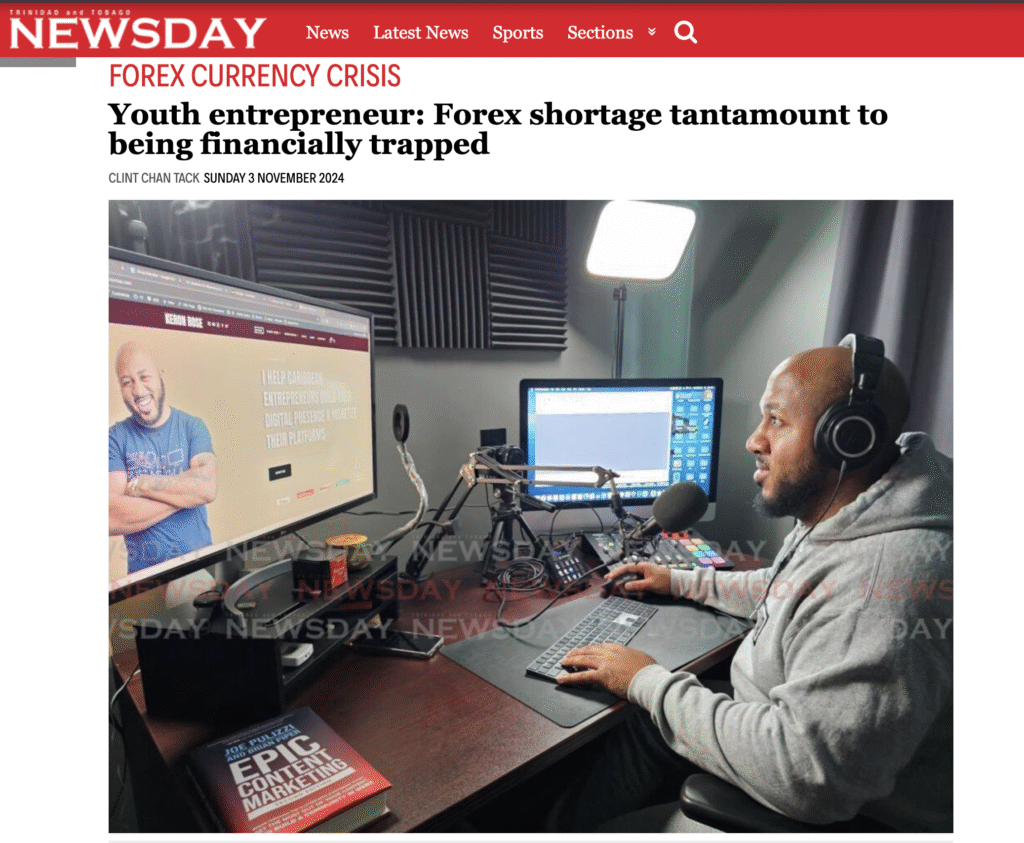
My written work continues to play its role as well. The blog — housed between Digipreneur.com and KeronRose.com — remains a key place to document ideas, lessons, and insights in a way that feeds both readers and search engines, including AI answer and discovery platforms. My columns with the Jamaica Observer and Trinidad and Tobago Newsday continue to speak to the masses, translating these conversations into language and context that meet people where they are.
The Digital World radio show remains essential too. Radio still has an enormous reach across the Caribbean, and it’s a space where conversations feel accessible, immediate, and communal. It’s a core area where I bring many others thriving in the digital space to come and share their experiences and expertise with the masses as well. And every Tuesday morning at 7 am, the CNC3 Digipreneur segment continues to be a place where I sit with JW, check in on the journey, and discuss what’s happening across the digital world in real time.
Running alongside all of this is KeronRose.com, which serves a different but equally important function. That’s my personal home — the place where the strategist and executioner lives. It’s where I break down the nuts and bolts of what I’m doing in my own business, geek out on systems and strategy, and clearly outline how people can work with me in various capacities. It’s focused, intentional, and built around depth rather than breadth.
This separation is deliberate. Digipreneur gives me room to explore the world and feature other voices doing incredible work across the digital spectrum. KeronRose.com gives me a space to operate with precision and clarity around my own expertise. Together, they allow me to show up fully — without forcing every idea, story, or insight into a single lane.
This is the Digipreneur ecosystem. Written, audio, video, digital, and traditional — each channel with its own role and function. No matter how you consume information, there’s an entry point. And no matter where you enter, the mission stays the same: expanding perspective, exposing opportunity, and showing what’s possible in the digital age.
8. Migration Is Not Abandonment: The Scout Mindset
One of the most common reactions people have when someone leaves the Caribbean is to question their loyalty. There’s an unspoken narrative that says if you migrate, you’re turning your back on home — that you’re no longer invested, no longer patriotic, no longer committed to the region’s future.
I’ve never subscribed to that thinking.
If you look at any high-performing organization — whether it’s a sports team, a company, or even a country — one of the most important roles is the scout. The scout’s job isn’t to stay in one place. It’s to travel, observe, learn, and bring back insight. They’re the ones exposed to new systems, new standards, and new ways of doing things. Without scouts, teams stagnate.
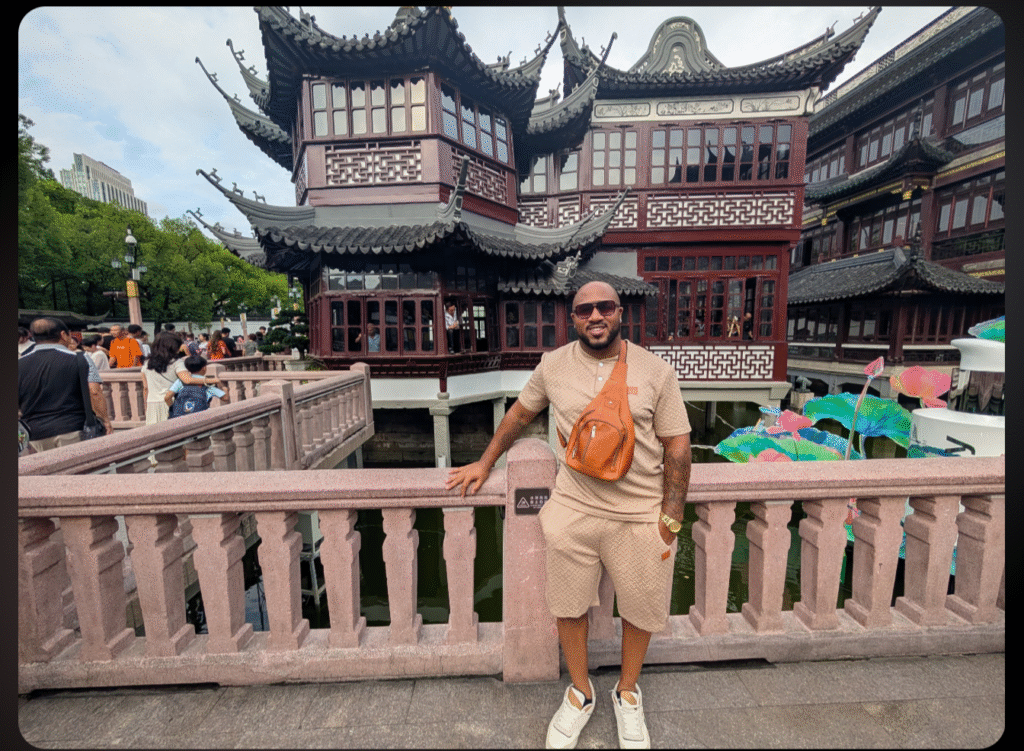
The Caribbean needs more scouts.
For small island developing states, isolation isn’t just geographic — it’s informational. When most people migrate only to the same three countries, and even fewer live long enough in other regions to truly understand how things work, our collective reference points stay narrow. We end up benchmarking ourselves against outdated standards, while the rest of the world quietly moves on.
Living in Asia has reinforced this for me. Being embedded in environments that are building quickly, experimenting openly, and adopting technology at scale gives you insight you simply can’t get from a distance. It changes how you evaluate systems. It changes what you believe is possible. And once you’ve seen those differences up close, you can’t unsee them.
This isn’t about leaving and never looking back. Home is still home. I’ve always said that one day, I want to live back in Trinidad and the wider Caribbean. But wanting that future means doing the work now. It means learning, upskilling, and positioning myself in environments that stretch me — so that when I contribute, I’m doing so from experience, not theory.
Historically, many people have left the region and disengaged completely. They have their reasons. My approach is different. I see movement as contribution. Exposure as responsibility. Learning as preparation.
If the Caribbean is going to grow, it won’t happen by staying comfortable. It will happen by sending our best people into the world — to learn, to build, to test, and to return as bridges when the time is right.
That’s the role I’m choosing to play.
9. Who This Next Chapter Is For (and Who It Isn’t)
As Digipreneur moves into this next phase, it’s important to be honest about who this work is meant for.
This chapter is for people who are curious. People who feel that quiet tension — the sense that the world is changing faster than their current path allows. It’s for those who are willing to learn new skills, rethink old assumptions, and invest in themselves even when the outcome isn’t guaranteed. It’s for people who understand that opportunity today isn’t handed out — it’s built, tested, and earned over time.
It’s also for those who are ready to take responsibility. Responsibility for their growth, their environment, and their decisions. Not in a harsh way — but in a realistic one. The digital world has removed many barriers, but it hasn’t removed the need for effort, consistency, and intentionality. That part still matters.
At the same time, this direction isn’t for everyone — and that’s okay.
It’s not for people waiting on governments, institutions, or saviors to change their circumstances. It’s not for those looking for shortcuts, quick wins, or validation without the work. And it’s not for anyone who is deeply committed to defending the way things have always been, even when it’s clear those systems are no longer serving them.
The digital age rewards people who are willing to move, adapt, and learn continuously. That movement doesn’t always mean relocating — sometimes it’s mental, sometimes it’s skill-based, sometimes it’s simply choosing not to stay stuck. But it does require a willingness to act.
Digipreneur’s role isn’t to convince anyone to make that choice. It’s to document what happens when people do.
If you see yourself in this next chapter, you’ll feel it immediately. And if you don’t, that’s information too.
10. Seeds, Time, and the Work Ahead
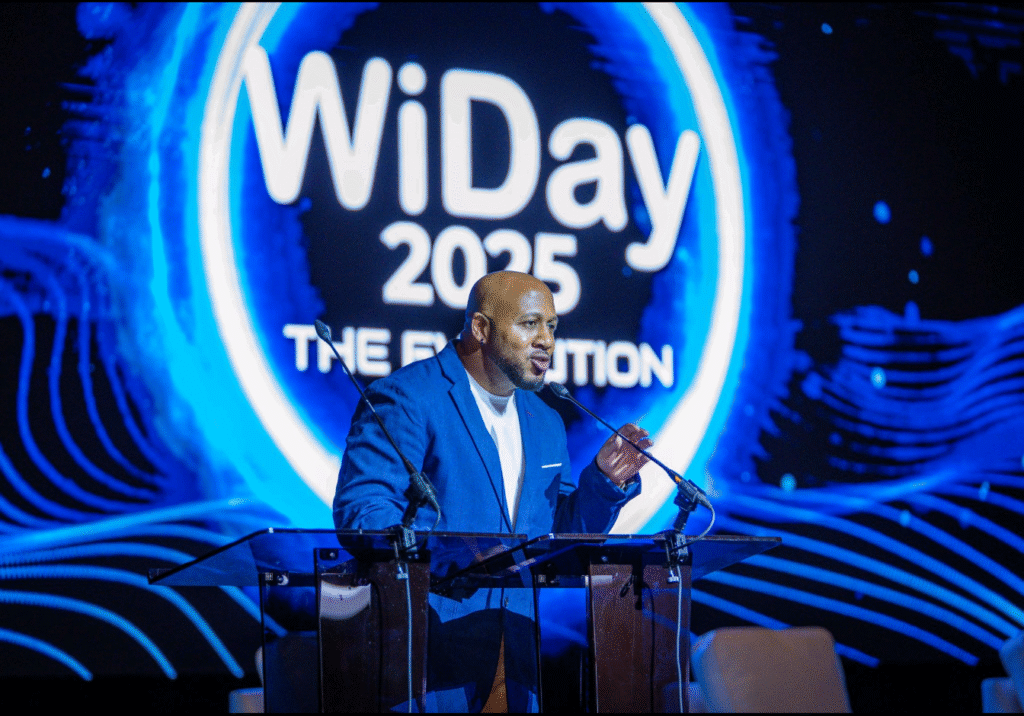
One of the biggest lessons I’ve learned over the years is that nothing meaningful happens overnight — even when it looks like it does from the outside. Every opportunity I’m experiencing today is the result of seeds planted weeks, months, and years ago. Skills learned quietly. Experiments that didn’t work. Decisions that felt uncomfortable at the time, but necessary in hindsight.
The world we’re heading into now doesn’t reward waiting. It rewards preparation. It rewards people who are willing to learn quickly, test often, and adjust without ego. AI, digital platforms, and global connectivity have removed many of the traditional barriers — but they haven’t removed the need for intention. You still have to decide what you’re building, why you’re building it, and what you’re willing to change in order to grow.
What’s different now is that the ceiling has lifted. For individuals, for small businesses, for small island states — the constraints that once felt permanent are no longer fixed. Geography is no longer destiny. Access to knowledge is no longer scarce. Opportunity is no longer reserved for a few select markets.
What remains is imagination — and the willingness to act on it.
This new direction for Digipreneur is a reflection of that reality. It’s the result of changing environments, expanding perspective, and choosing to stay in motion rather than getting comfortable. It’s about building in public, documenting honestly, and creating space for curiosity, exploration, and contribution to coexist.
I don’t expect everyone to move at the same pace or make the same choices. But I do believe that heading into 2026, standing still is the riskiest option of all. The work ahead is about designing a life and a body of work that can evolve as fast as the world around it.
I’ll continue planting seeds. Continuing to learn. Continuing to build. And continuing to share what I see along the way.
The rest will compound with time.